|
Meng Wang I'm a Machine Learning Engineer at Waymo, where since January 2025 I've worked on perception models for autonomous driving, improving how the system detects and interprets the world around the vehicle, and how that carries through to end-to-end driving performance. Before Waymo, I worked on computer vision and machine learning for driving data at scale: detecting edge cases in large-scale naturalistic driving video as a Machine Learning Engineer at MIT AgeLab, and applying ML/CV and LLMs to multi-modal driving data as a Research Intern at Honda Research Institute in 2024. I received my PhD in Industrial Engineering and Operations Research (IEOR) at the University of Massachusetts Amherst, advised by Dr. Shannon Roberts, where my research applied machine learning and statistical modeling to crash prediction and driving data. |

|
Research & PublicationsMy work focuses on perception and machine learning for autonomous driving, large-scale visual data, vision-language models, and driving scene understanding. Representative papers are highlighted. |
Machine Learning & Perception |
|
|
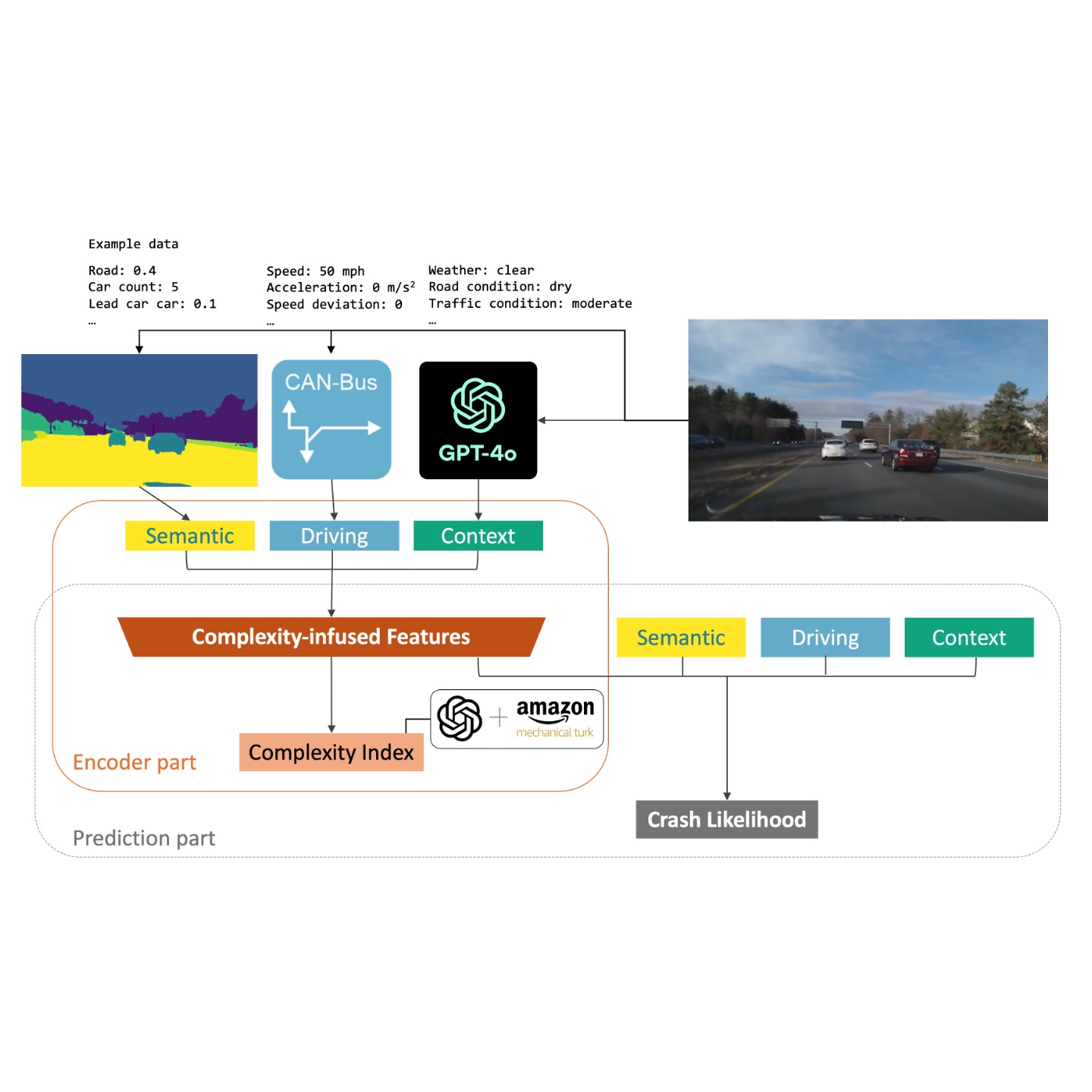
The Context of Crash Occurrence: A Complexity-Infused Approach Integrating Semantic, Contextual, and Kinematic Features
Meng Wang, Zack Noonan, Pnina Gershon, Bruce Mehler, Bryan Reimer, Shannon C. Roberts arXiv, 2024 A two-stage framework that integrates semantic, contextual, and kinematic roadway-complexity features for crash prediction, reaching 90.15% accuracy with the complexity-infused features. |
|
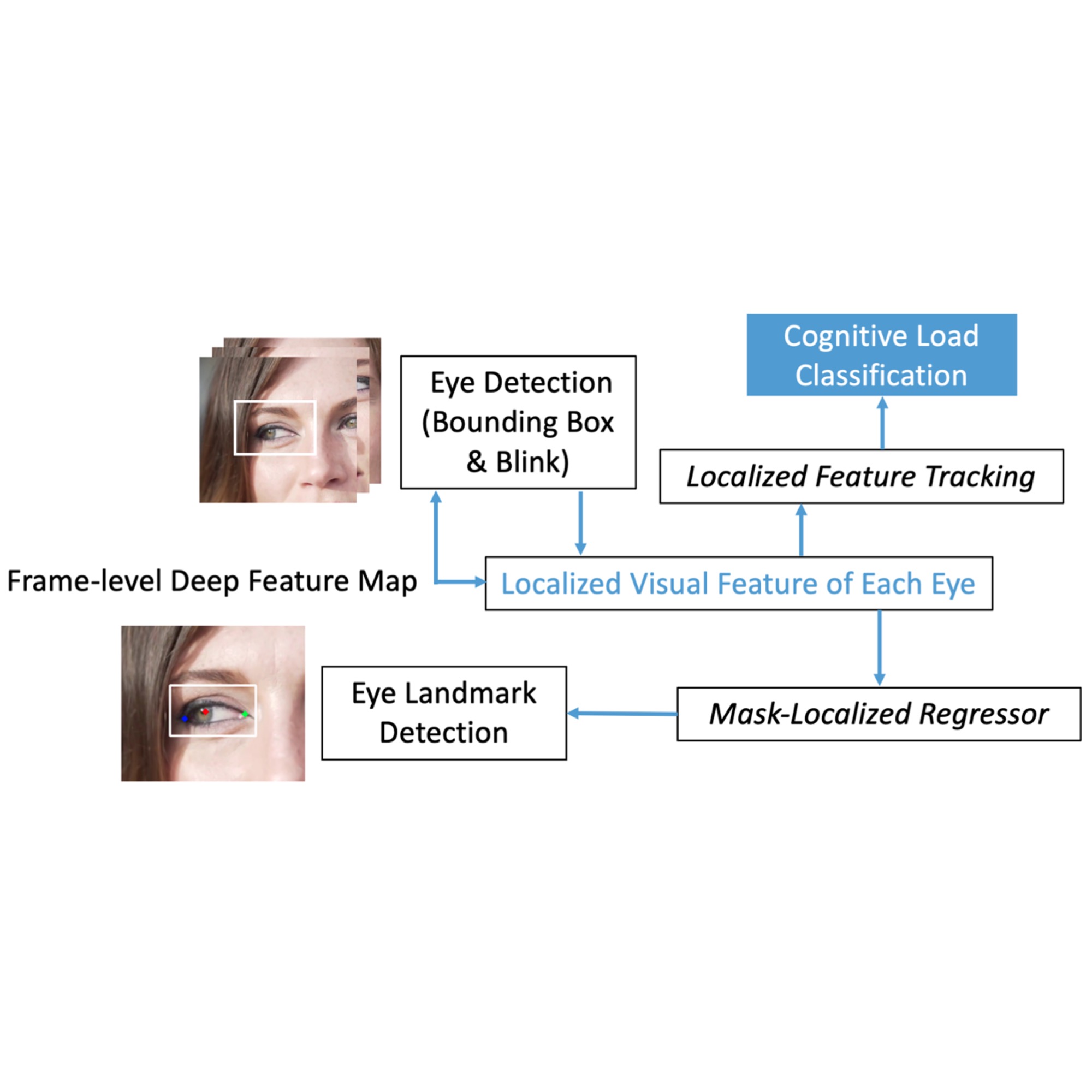
CLERA: A Unified Model for Joint Cognitive Load and Eye Region Analysis in the Wild
Li Ding, Jack Terwilliger, Aishni Parab, Meng Wang, Lex Fridman, Bruce Mehler, Bryan Reimer ACM Transactions on Computer-Human Interaction, 2023 A unified deep-learning model that performs keypoint detection and spatiotemporal tracking in a single joint-learning framework, operating on in-the-wild video. |
|
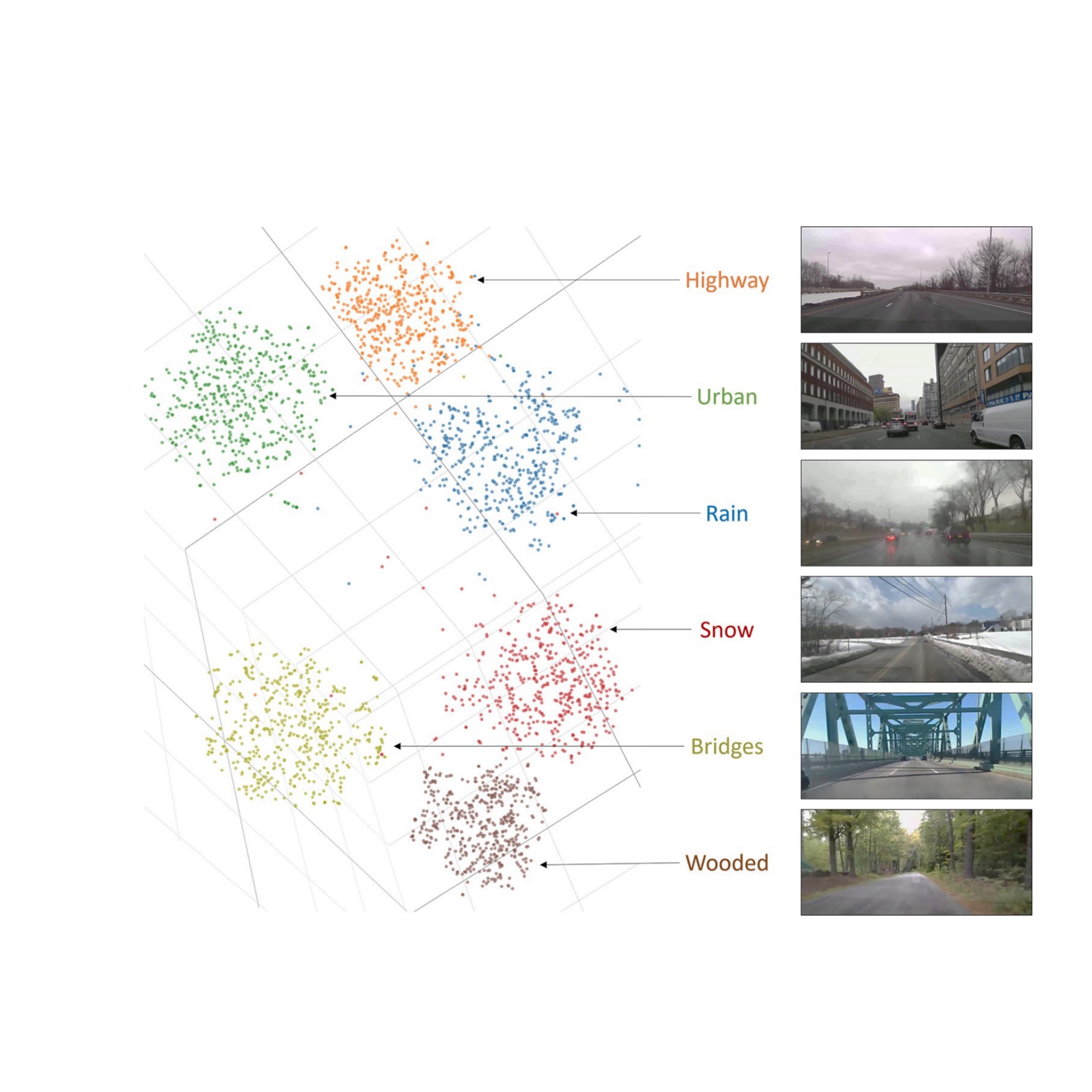
MIT-AVT Clustered Driving Scene Dataset: Evaluating Perception Systems in Real-World Naturalistic Driving Scenarios
Li Ding, Michael Glazer, Meng Wang, Bruce Mehler, Bryan Reimer, Lex Fridman IEEE Symposium on Intelligent Vehicle, 2020 A deep-learning method for clustering common cases and detecting edge cases from the visual characteristics of the external driving scene, plus a large-scale real-world video dataset of driving scenes built with it for evaluating perception systems. |
Driver Behavior & Vehicle Automation |
|
|
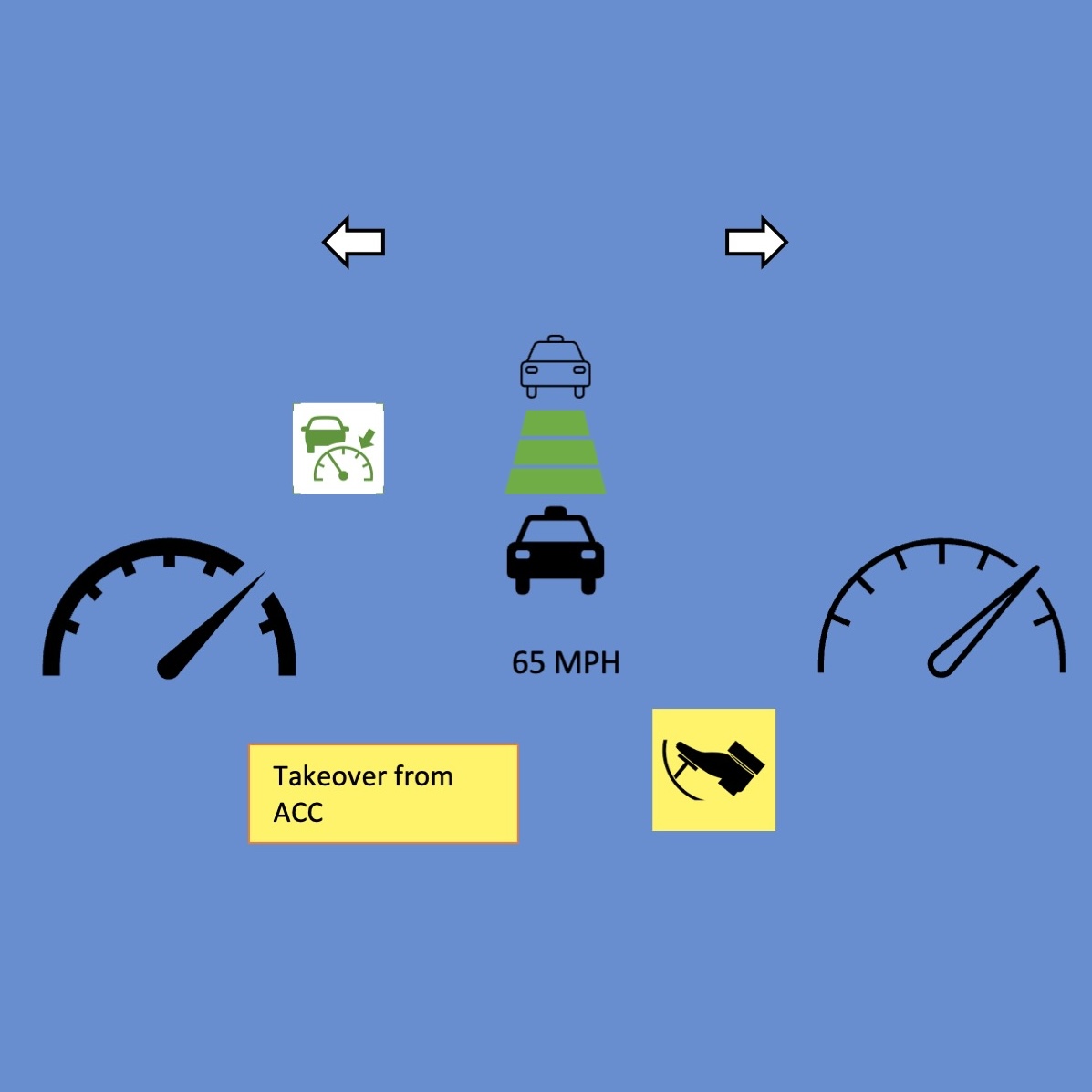
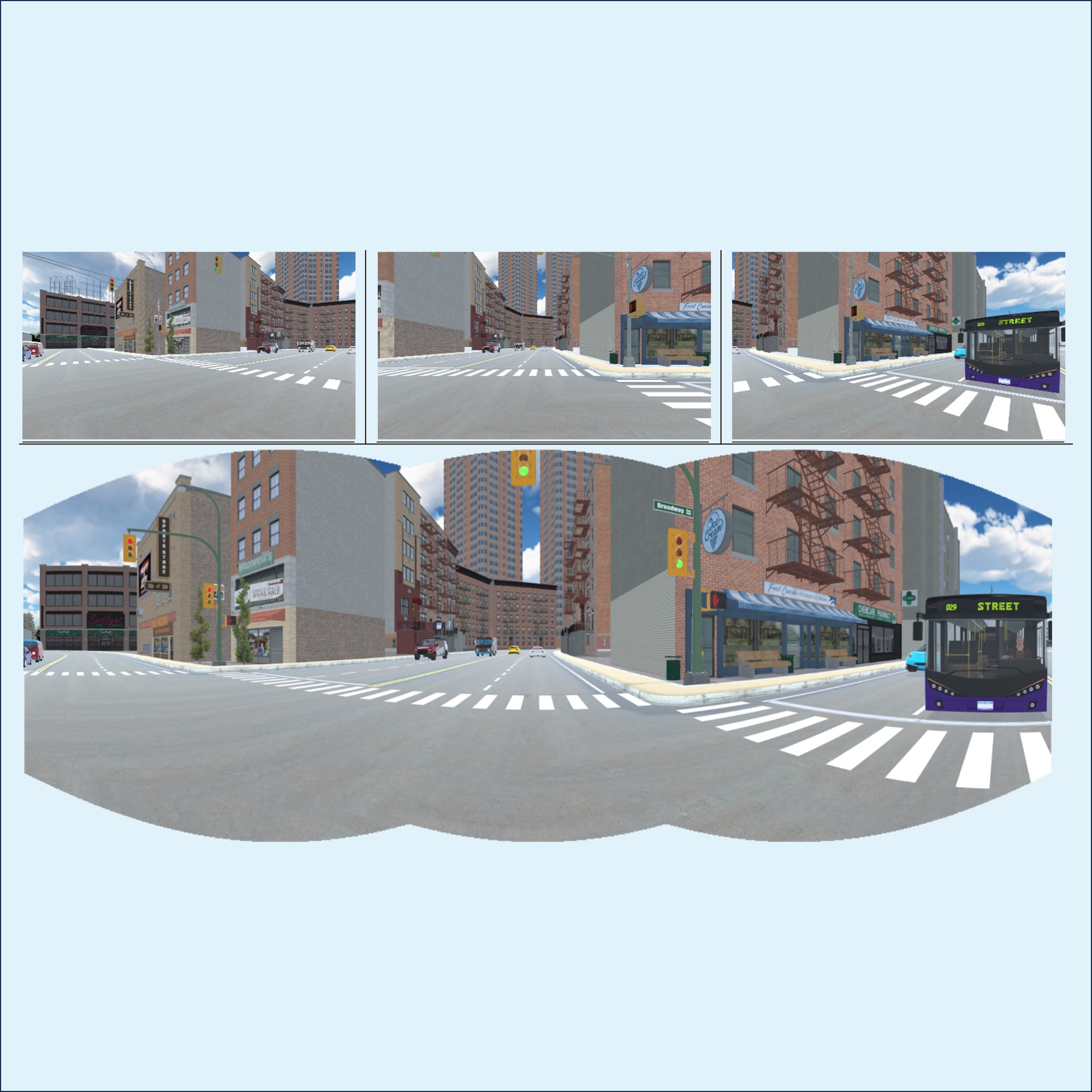
The Effect of Human-Machine Interface Modality, Specificity, and Timing on Driver Performance and Behavior While Using Vehicle Automation
Meng Wang, Jah'inaya Parker, Nicholas Wong, Shashank Mehrotra, Shannon C Roberts, Woon Kim, Alicia Romo, William J Horrey Accident Analysis & Prevention, 2024 A simulator study implementing staged and simultaneous HMIs and analyzing the drivers' driving and glance behavior. |
|
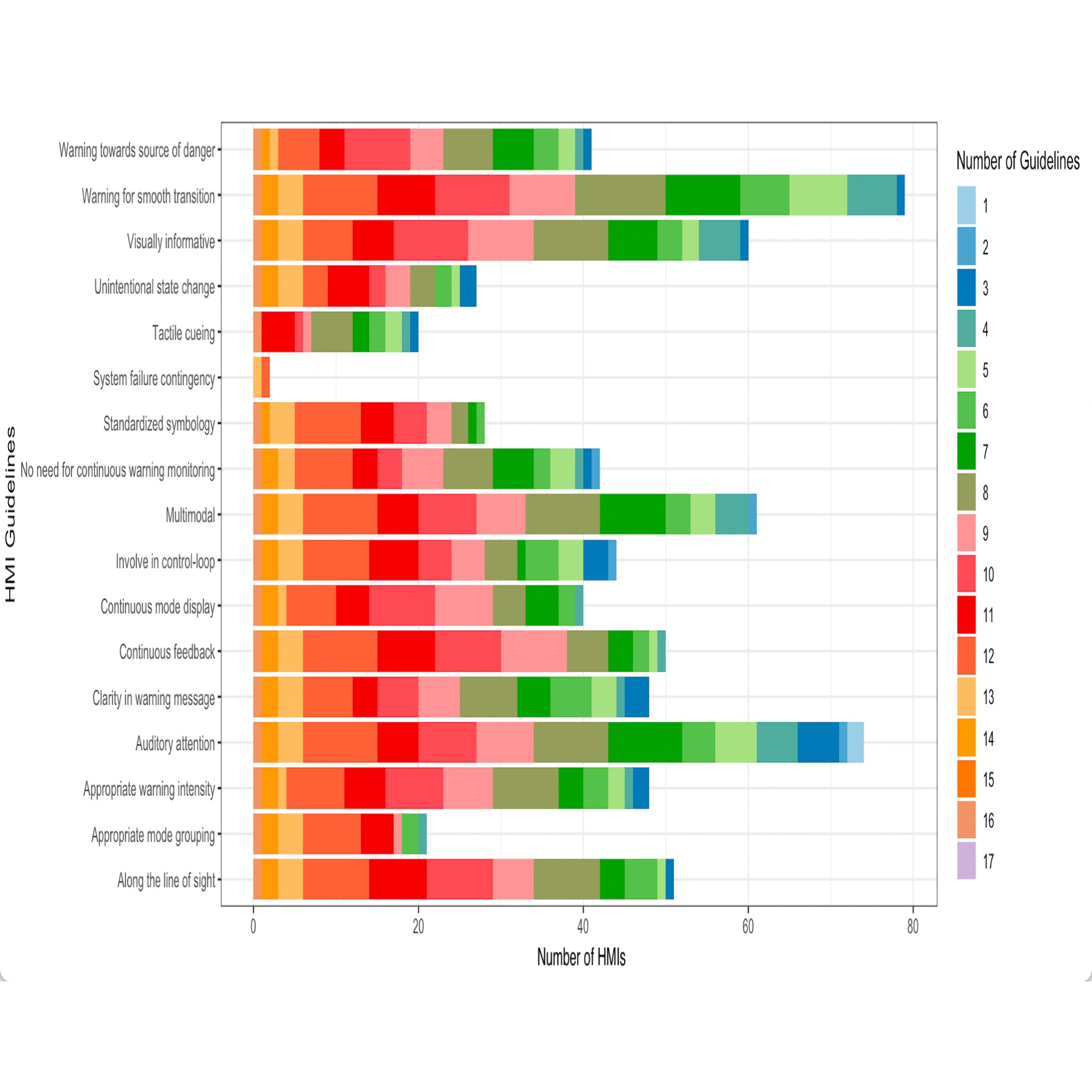
Human-Machine Interfaces and Vehicle Automation: A Review of the Literature and Recommendations for System Design, Feedback, and Alerts
Meng Wang, Shashank Mehrotra, Nicholas Wong, Jah'inaya Parker, Shannon C Roberts, Woon Kim, Alicia Romo, William J Horrey Transportation Research Part F: Traffic Psychology and Behaviour, 2024 A literature review of the HMI recommendations and vehicle automations. |
|
Risk-ATTEND (Risk Anticipation Training to Enhance Novice Driving): Pilot Evaluation of a Risk Anticipation Training Program for Teen Drivers
Jaji Pamarthi, Apoorva Hungund, Meng Wang, Tina Sayer, Jason Hallman, Shannon Roberts, Anuj K Pradhan Human Factors and Ergonomics Society, 2023 (Oral Presentation) Evaluating an updated training program (based on RAPT and ACCEL) by introducing a more diverse set of training scenarios and leveraging deployment platforms that were better suited to modern devices. |
|
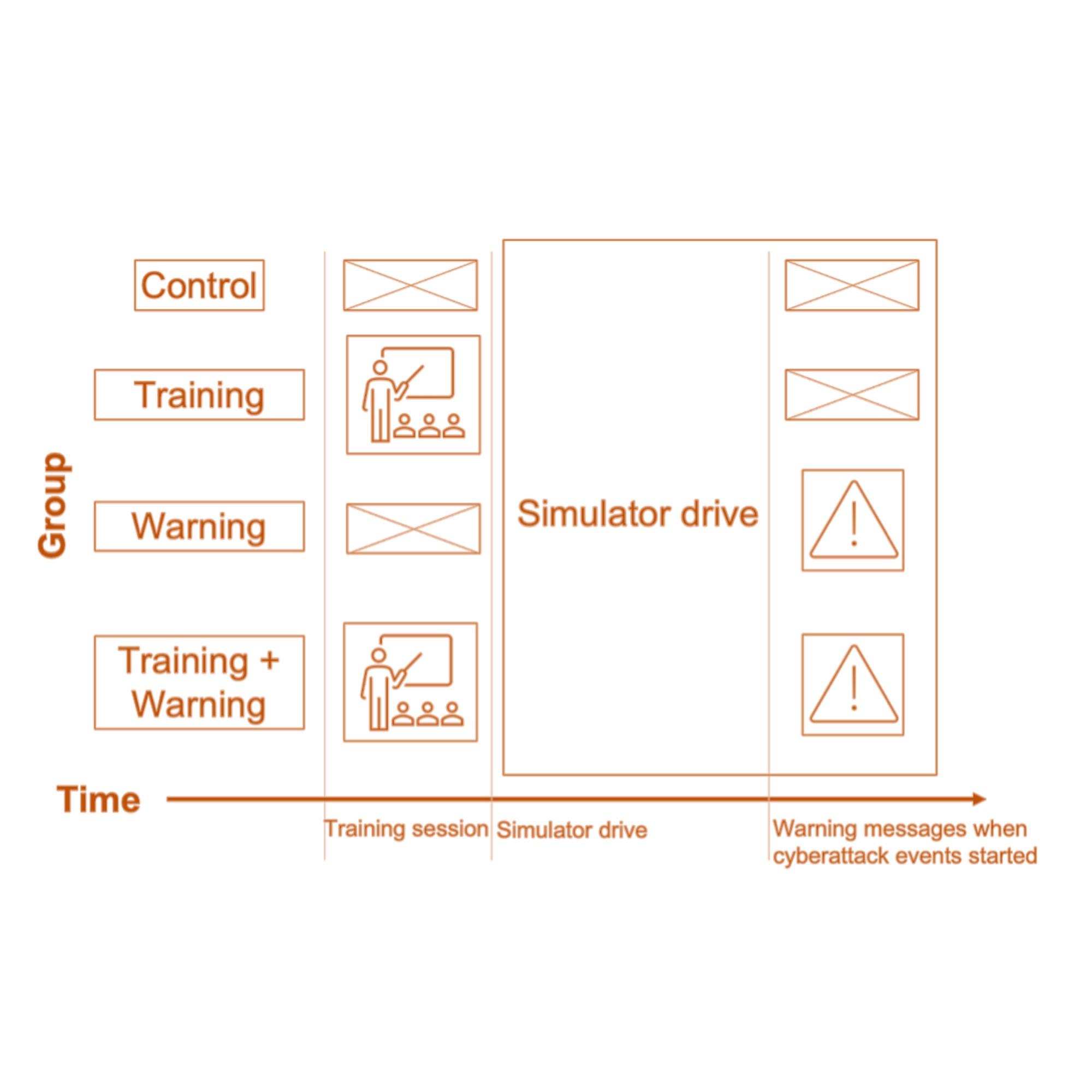
A Simulator Study Assessing the Effectiveness of Training and Warning Systems on Drivers' Response Performance to Vehicle Cyberattacks
Meng Wang, Jah'inaya Parker, Fangda Zhang, Shannon C Roberts Accident Analysis & Prevention, 2024 A simulator study assessing the effectiveness of training and warning systems on drivers' response behavior to vehicle cyberattacks. . |
|
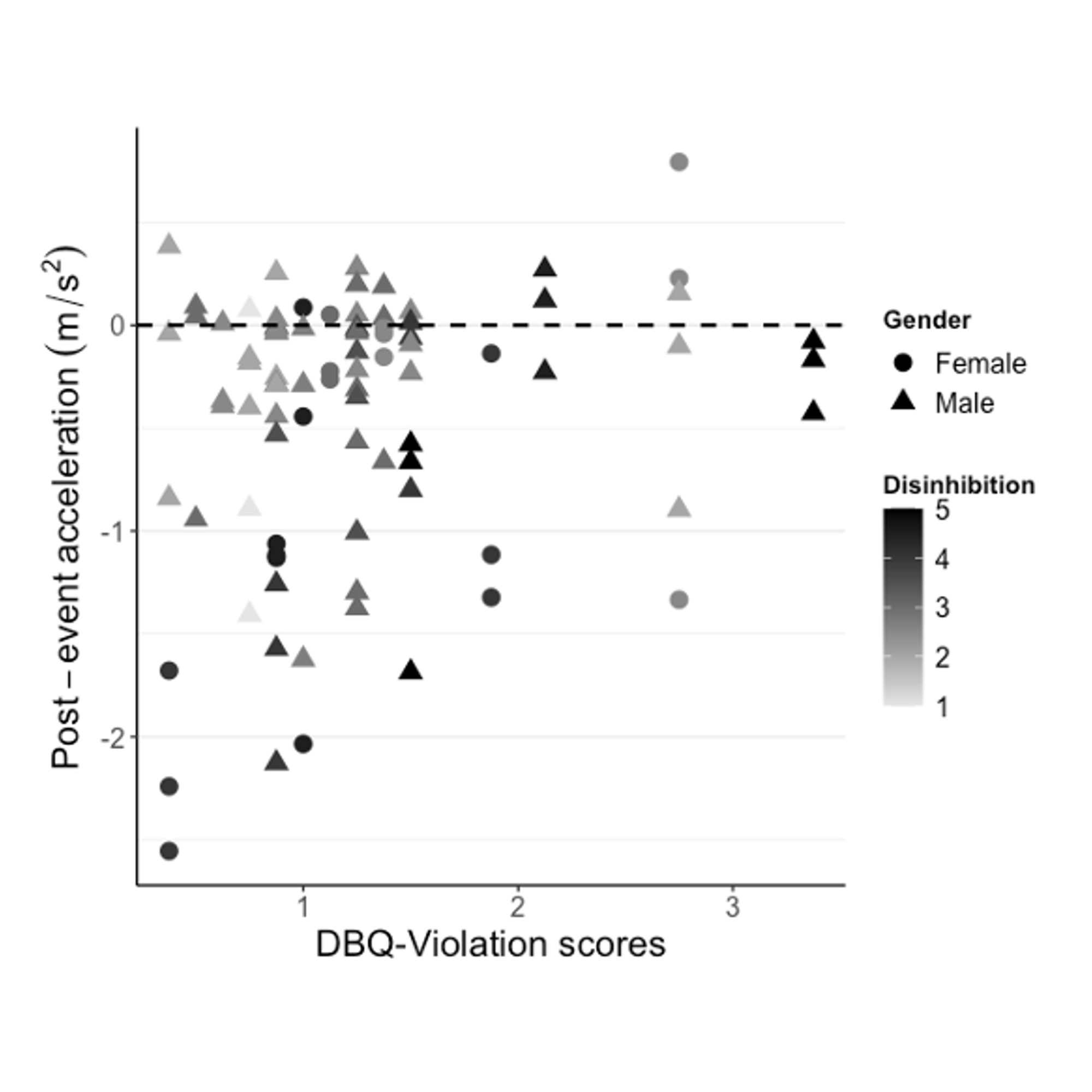
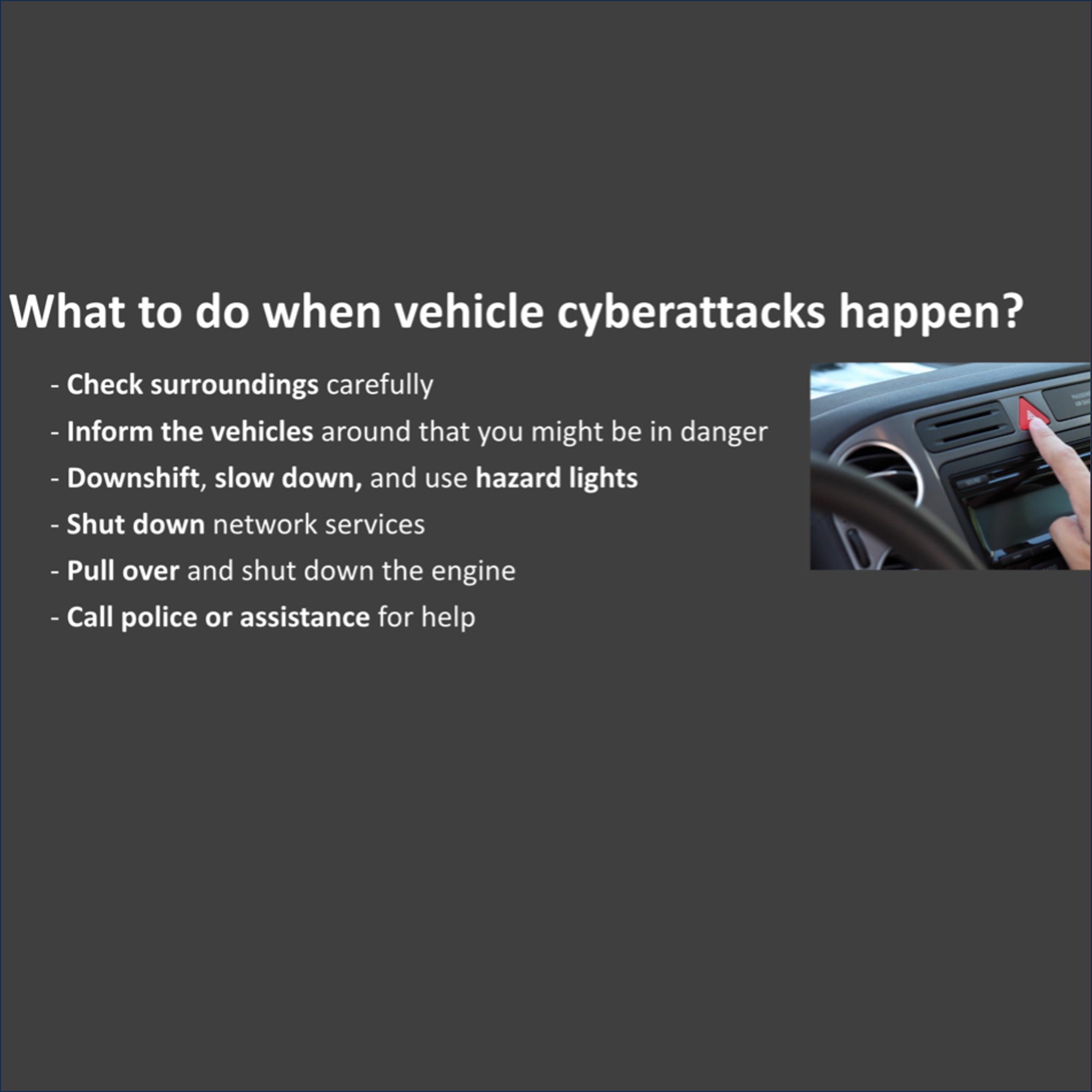
The Effect of Driving Style on Responses to Unexpected Vehicle Cyberattacks
Fangda Zhang, Meng Wang, Jah'inaya Parker, Shannon C Roberts Safety, 2023 Understanding the relationship between the drivers' survey data and the responses to vehicle cyberattacks. |
|
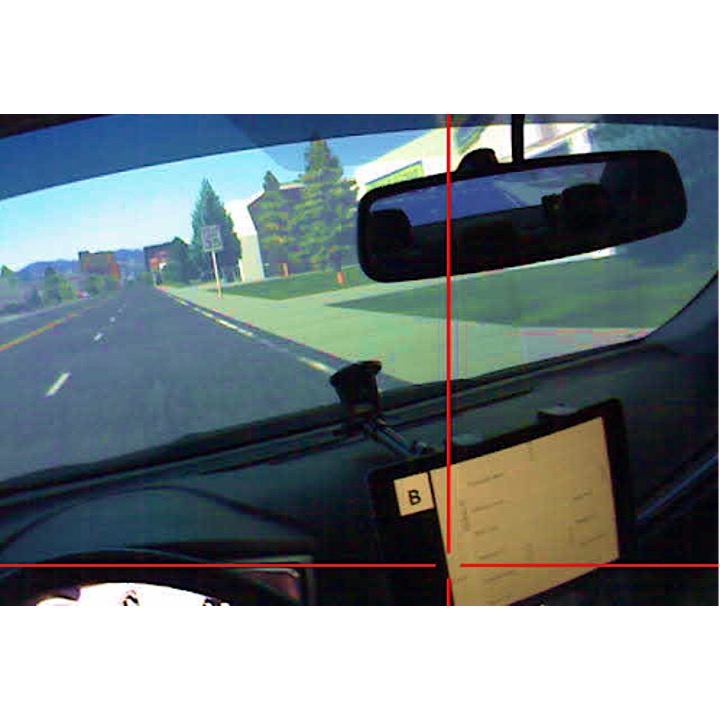
How do drivers respond to vehicle cyberattacks? A driving simulator study
Jah'inaya Parker, Fangda Zhang, Meng Wang, Shannon C Roberts Presented at Human Factors and Ergonomics Society, 2022, Poster Investigating the drivers' cautionary behavior when facing vehicle cyberattacks. |
|
Impact of level 2 automation and ADHD symptomatology on young drivers' attention maintenance
Meng Wang, Jah'inaya Parker, Beatrice Ojuri, Shannon C Roberts, Jennifer McDermott, Donald L Fisher Transportation Research Part F: Traffic Psychology and Behaviour, 2023 Assessing the impact of level 2 automation and ADHD symptomatology on young drivers' attention maintenance. |

|
Traffic Safety Impact of the COVID-19 Pandemic: Fatal Crashes Relative to Pre-Pandemic Trends, United States, May-December 2020
Brian C. Tefft, Meng Wang Work conducted during an internship at AAA Foundation for Traffic Safety, 2022 summer Research Brief at AAAFTS / Presented at Transportation Research Board, 2022, Poster Advancing the understanding of how safety on U.S. roads changed during the pandemic the number of fatal crashes during May through December 2020 to what would have been expected had the pandemic not occurred and pre-pandemic trends continued. |